
In today’s fast-changing world, maintaining a healthy lifestyle has become an important goal for people of different age groups. Busy work schedules, long hours of screen time, changing food habits, and limited physical activity can make it difficult to maintain a balanced routine. As awareness about health and well-being continues to grow, more people are looking for practical ways to improve their daily habits.
A healthy lifestyle does not necessarily mean following strict diets or spending hours in a gym. Instead, it involves making consistent and realistic choices related to food, physical activity, sleep, stress management, social connections, and everyday routines.
The growing interest in healthy living is also influencing the food industry, fitness sector, travel, technology, and entertainment. From fitness applications to healthier food options, modern consumers have more choices than ever before.
Understanding a Healthy Lifestyle
A healthy lifestyle is a combination of habits that support physical, mental, and social well-being.
Small Habits Can Make a Difference
People sometimes believe that becoming healthier requires making major changes immediately. In reality, small improvements can become meaningful when practiced consistently.
Simple habits such as drinking enough water, eating balanced meals, walking regularly, maintaining a sleep routine, and taking breaks from screens can contribute to a healthier daily lifestyle.
Balance Is More Important Than Perfection
Healthy living does not mean following a perfect routine every day.
People have different schedules, responsibilities, preferences, and circumstances. A realistic approach focuses on balance and consistency rather than expecting perfection.
This makes healthy habits easier to maintain over the long term.
The Importance of Balanced Nutrition
Food plays an important role in overall well-being.
A balanced diet generally includes a variety of foods that provide essential nutrients, such as fruits, vegetables, whole grains, protein sources, and healthy fats.
Eating a Variety of Foods
Different foods provide different nutrients.
Including a variety of foods in meals can help people obtain a broader range of nutrients while also making meals more interesting.
Seasonal fruits, vegetables, legumes, whole grains, nuts, seeds, and suitable protein sources can all be part of a balanced eating pattern.
Developing Better Eating Habits
Healthy eating is not only about what people eat but also how they approach meals.
Eating mindfully, paying attention to hunger and fullness, planning meals, and avoiding unnecessary distractions while eating can help people become more aware of their food choices.
Physical Activity as Part of Everyday Life
Regular physical activity is another important component of a healthy lifestyle.
Exercise does not always have to involve intensive workouts.
Walking Is an Accessible Activity
Walking is a simple way to add movement to the day.
People can take short walks during breaks, walk to nearby locations when practical, or spend time walking outdoors.
The amount and intensity of activity should be appropriate for an individual's abilities and circumstances.
Finding Enjoyable Activities
People are more likely to maintain physical activity when they enjoy it.
Cycling, swimming, dancing, yoga, sports, walking, strength training, or other recreational activities can provide different ways to stay active.
The most suitable activity is often one that fits comfortably into a person's lifestyle and can be performed consistently.
The Role of Sleep in Healthy Living
Sleep is sometimes overlooked when people focus on nutrition and exercise.
However, adequate and regular sleep is an important part of maintaining overall well-being.
Creating a Consistent Sleep Schedule
Going to bed and waking up at similar times can help create a regular routine.
A consistent schedule may also make it easier to prepare the body and mind for rest.
Creating a Relaxing Evening Routine
People can create a calming environment before bedtime by reducing unnecessary screen exposure, keeping the bedroom comfortable, and following relaxing activities.
Good sleep habits can support energy levels and daily productivity.
Managing Screen Time
Digital devices have become essential parts of modern life.
People use smartphones, computers, tablets, and televisions for work, education, communication, and entertainment.
Taking Regular Breaks
Long periods of screen use can contribute to physical discomfort and mental fatigue.
Taking regular breaks can encourage movement and provide an opportunity to rest the eyes and mind.
Creating Screen-Free Moments
People can also create specific times during the day when they step away from digital devices.
Meals, walks, conversations, hobbies, and relaxation can provide opportunities to disconnect from screens.
Mental Well-Being and Daily Routines
A healthy lifestyle also includes emotional and mental well-being.
Modern responsibilities can sometimes create stress, making it important to develop healthy ways of managing everyday pressure.
Making Time for Relaxation
Relaxation can take different forms.
Reading, listening to music, gardening, spending time outdoors, practicing creative hobbies, or talking with friends can provide enjoyable breaks from routine.
Maintaining Social Connections
Human relationships are an important part of everyday life.
Spending time with family, friends, colleagues, or community groups can provide opportunities for conversation, support, and shared experiences.
Healthy social connections can make daily life more enjoyable and meaningful.
The Growth of Home Fitness
Home fitness has become increasingly popular.
Many people use online videos, mobile applications, wearable devices, and home equipment to stay active.
Convenience of Home Workouts
Working out at home can be convenient for people who have busy schedules or limited access to fitness centers.
Short sessions can be incorporated into daily routines without requiring travel.
Choosing the Right Routine
A fitness routine should match an individual's goals, abilities, available space, and schedule.
Beginners can start with basic activities and gradually increase their level of exercise as they become more comfortable.
Technology and Healthy Living
Technology has introduced many tools designed to support healthier habits.
Fitness Applications
Mobile applications can help users track activities, workouts, walking routines, or other personal goals.
These tools can provide motivation by showing progress over time.
Wearable Devices
Smartwatches and fitness trackers can monitor certain activity and health-related measurements.
They can encourage users to remain active and pay attention to daily habits, although such devices should not be treated as substitutes for professional medical advice.
Healthy Habits at the Workplace
People spend a significant part of their day working, making workplace habits important.
Taking Movement Breaks
Employees who spend long periods sitting can benefit from regular movement breaks.
Standing, stretching, walking around, or changing positions can help break up long periods of inactivity.
Creating a Comfortable Workspace
An organized and comfortable workspace can support productivity.
Proper desk arrangement, suitable seating, appropriate screen positioning, and regular breaks can contribute to a better working environment.
The Rise of Healthy Food Choices
Consumer interest in health has influenced food businesses.
Restaurants, supermarkets, cafés, and food brands are increasingly offering different options to meet changing preferences.
More Awareness About Ingredients
Many consumers now pay closer attention to ingredients, nutritional information, portion sizes, and food preparation methods.
This awareness can help people make choices that align with their individual dietary needs and preferences.
Home Cooking Is Gaining Attention
Preparing meals at home gives people greater control over ingredients and preparation methods.
It can also become an enjoyable activity for families and individuals.
Cooking at home does not have to involve complicated recipes. Simple meals prepared with fresh and varied ingredients can be practical for busy schedules.
Healthy Lifestyle and Travel
Travel can also be connected with wellness.
People increasingly choose holidays that include outdoor activities, nature experiences, walking tours, wellness programs, and relaxation.
Active Travel Experiences
Hiking, cycling, swimming, sightseeing on foot, and exploring natural destinations can combine travel with physical activity.
These experiences can make vacations both enjoyable and active.
Wellness-Focused Holidays
Some travelers choose destinations specifically for relaxation and rejuvenation.
Wellness retreats, nature stays, yoga programs, and spa experiences have become popular options within the broader tourism industry.
Challenges in Maintaining Healthy Habits
Developing healthy habits is not always easy.
Busy Schedules
Work, education, family responsibilities, and other commitments can make it difficult to find time for exercise, meal preparation, or relaxation.
Creating realistic routines can help people balance health goals with everyday responsibilities.
Lack of Consistency
Many people begin a new routine with enthusiasm but find it difficult to continue.
Instead of setting unrealistic goals, starting with manageable changes can make habits easier to maintain.
Too Much Information
The internet contains a large amount of health and fitness information.
Not all online advice is reliable or appropriate for everyone. People should be careful when following health-related recommendations and seek advice from qualified professionals when necessary.
Building a Sustainable Healthy Routine
A healthy lifestyle should be practical enough to continue over time.
Set Realistic Goals
Instead of trying to change everything at once, people can focus on one or two habits initially.
For example, someone might begin with regular walking or a consistent bedtime routine before adding additional goals.
Track Progress
Keeping a simple record of habits can help people understand their progress.
A journal, calendar, or digital application can be used to monitor activities and identify patterns.
Allow Flexibility
Life does not always follow a fixed schedule.
Missing a workout or enjoying an occasional less-balanced meal does not mean a healthy routine has failed.
The focus should be on returning to regular habits rather than giving up completely.
The Future of Healthy Living
The healthy lifestyle industry is likely to continue growing as people become more aware of the connection between everyday habits and overall well-being.
Technology may provide increasingly personalized tools for activity tracking, meal planning, fitness, sleep routines, and lifestyle management.
At the same time, traditional habits such as home cooking, outdoor activities, social interaction, and adequate rest will remain important.
The future of healthy living will likely focus on balance rather than extreme approaches.
Conclusion
A healthy lifestyle is not about following complicated rules or making sudden changes. It is about developing practical habits that support everyday well-being.
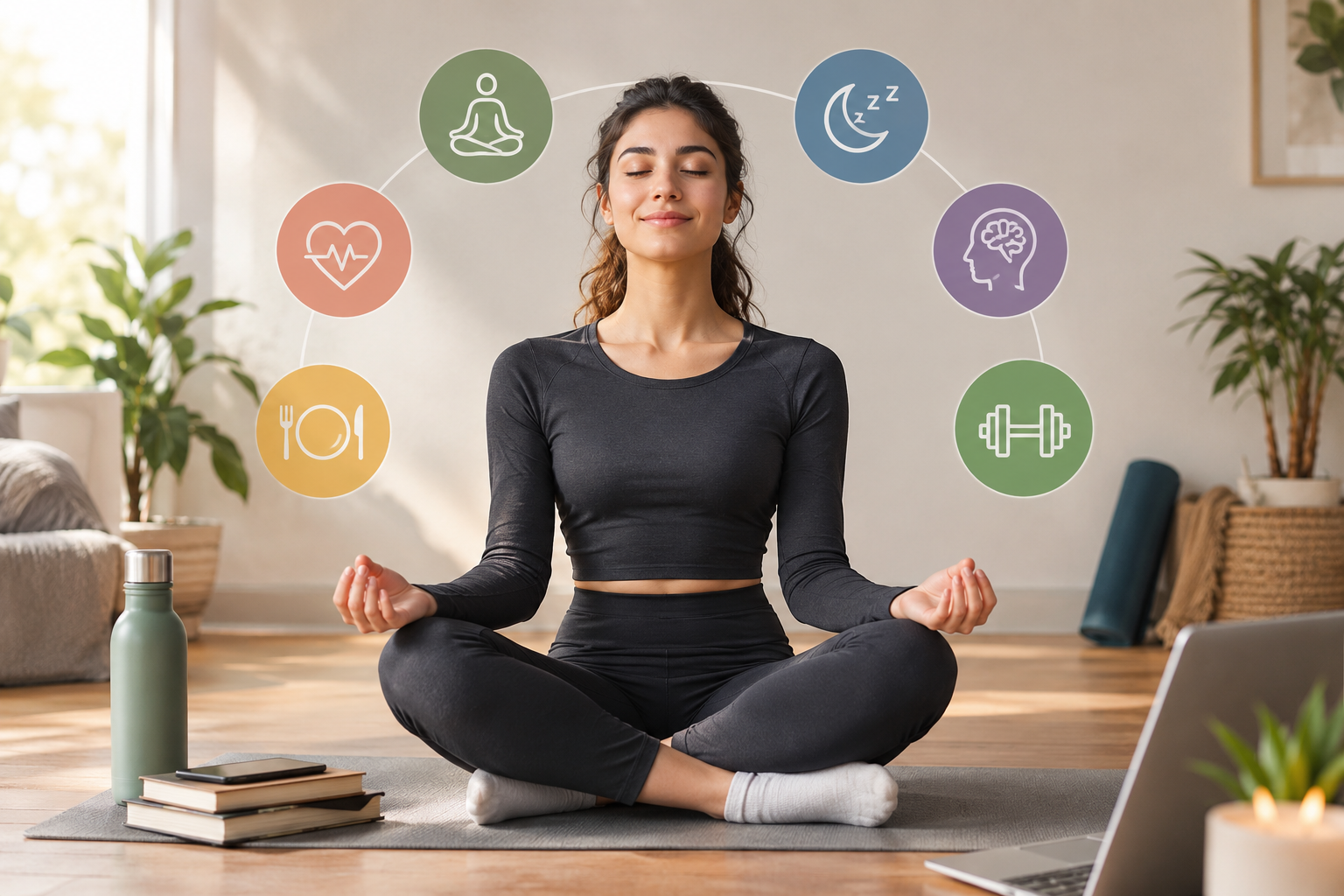
Balanced nutrition, regular physical activity, sufficient sleep, stress management, social connections, and responsible technology use can all contribute to a healthier lifestyle.
The growing popularity of wellness shows that people are increasingly interested in taking an active role in their everyday health. However, healthy living looks different for everyone, and individual needs should always be considered.
The most effective approach is often simple: start with realistic goals, make gradual improvements, stay consistent, and choose habits that can become a natural part of everyday life.
As modern lifestyles continue to evolve, the importance of maintaining a balanced relationship between work, technology, activity, food, rest, and personal time will remain an important part of living well.